How Is IoT Driving the Next Generation of Smart Industry?
Connecting Data, Machines, and Intelligence with IoT
The Internet of Things (IoT) has become one of the most influential technologies shaping modern industry and smart manufacturing. By connecting machines, sensors, control systems, and software platforms, IoT enables factories to collect, transmit, and analyze data in real time, transforming traditional production environments into intelligent and connected ecosystems.
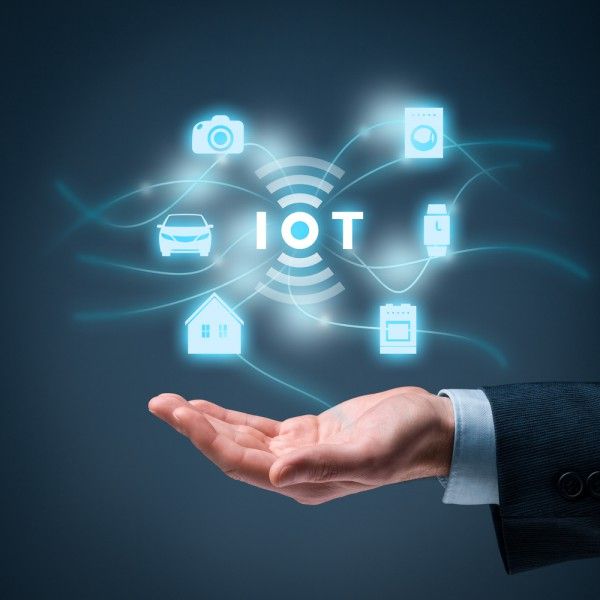
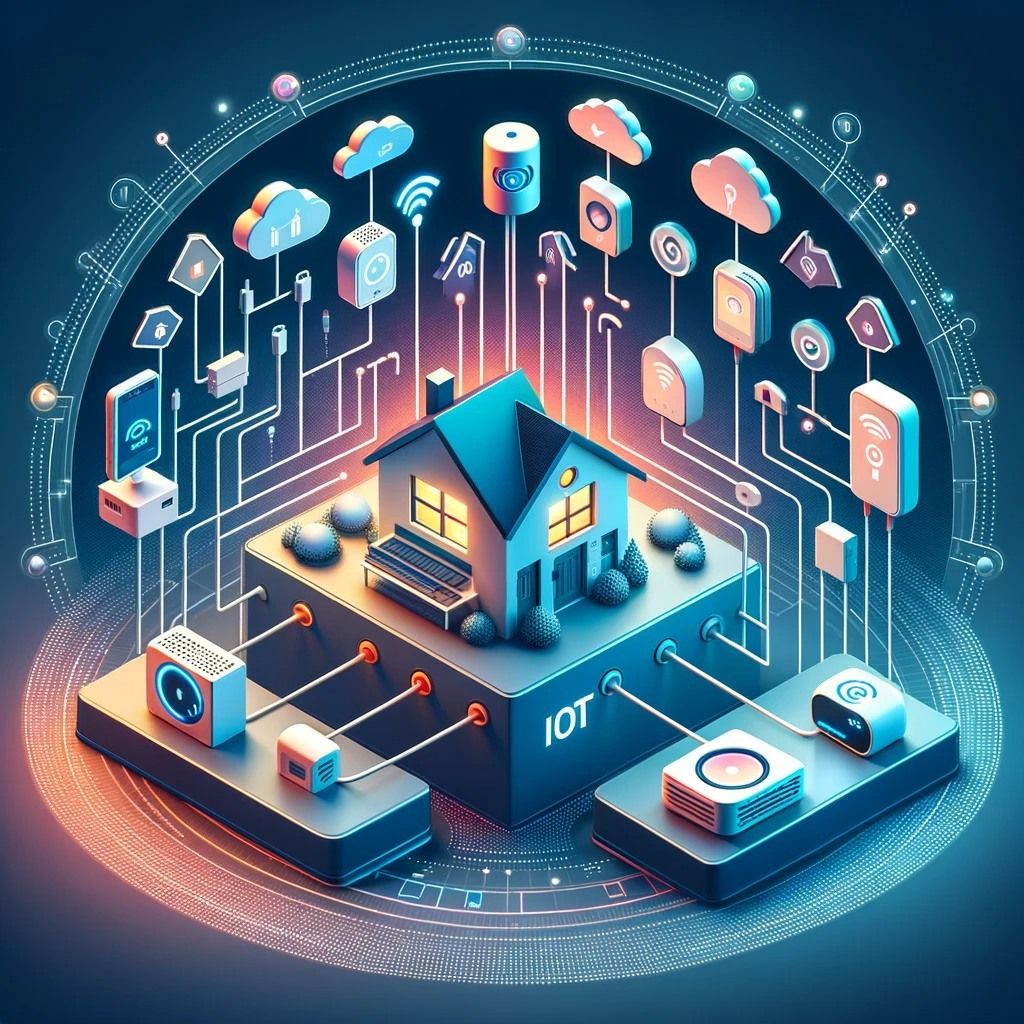
In industrial applications, IoT provides full visibility into production lines, equipment status, energy consumption, and environmental conditions. Sensors installed on machines continuously gather data such as temperature, vibration, pressure, cycle time, and power usage. This information is transmitted through industrial networks to centralized platforms such as SCADA systems, on-premise servers, or cloud-based dashboards. As a result, engineers and managers can monitor operations remotely, detect abnormalities instantly, and respond quickly to changing production demands.
One of the most significant benefits of IoT is predictive maintenance. Instead of relying on fixed maintenance schedules or reacting to unexpected failures, IoT systems analyze historical and real-time data to identify early warning signs of equipment degradation. This approach helps reduce unplanned downtime, lower maintenance costs, extend machine lifespan, and improve overall equipment effectiveness (OEE). In addition, IoT supports continuous performance optimization by identifying bottlenecks and inefficiencies across the production process.
IoT also plays a key role in energy management and sustainability. By monitoring energy consumption at machine and system levels, factories can optimize power usage, reduce waste, and implement data-driven strategies to lower operating costs and environmental impact. When integrated with renewable energy systems such as solar power, IoT enables intelligent energy distribution and real-time performance tracking.
This article provides a clear and practical overview of how IoT is transforming modern manufacturing. The explanation of real-time monitoring and predictive maintenance really highlights why IoT has become essential for smart factories today.
As industries move toward Industry 4.0, IoT is no longer just a supporting technology—it is a strategic foundation for digital transformation. Companies that successfully implement IoT gain greater transparency, flexibility, and competitiveness, paving the way for smarter, more resilient, and future-ready manufacturing operations.
Challenges and Future Opportunities in Industrial IoT
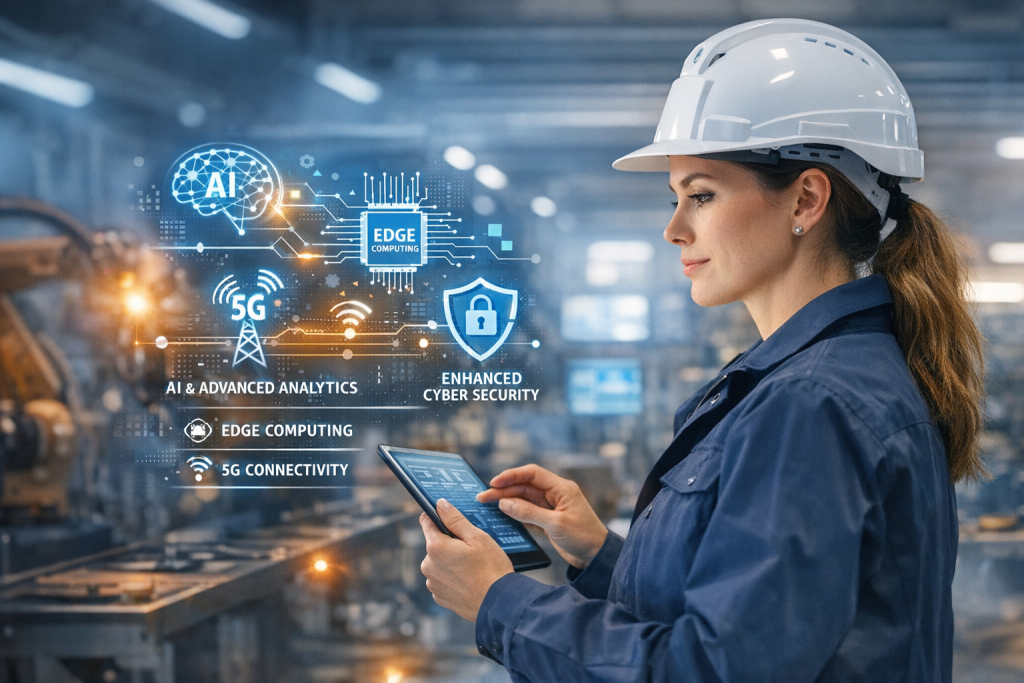
While Industrial IoT brings significant benefits in efficiency, visibility, and data-driven decision-making, it also presents challenges such as cybersecurity risks, system integration complexity, and data management issues. However, with advancements in edge computing, AI analytics, and secure communication protocols, IoT is rapidly evolving. In the near future, Industrial IoT will play a key role in building smarter, more resilient, and sustainable factories, enabling businesses to adapt quickly to market changes and technological innovation.